Understanding AI Product Photo Generators
The landscape of product photography is evolving rapidly, with advancements in artificial intelligence (AI) reshaping the way businesses present their products online. An AI product photo generator provides a streamlined solution, allowing users to transform ordinary smartphone images into high-quality, listing-ready product photos in mere minutes. This technology is particularly beneficial for e-commerce sellers, social media marketers, and anyone needing professional-looking product images without the high costs typically associated with traditional photography. By utilizing AI's capabilities, individuals can elevate their product listings, driving engagement and ultimately, sales.
What is an AI product photo generator?
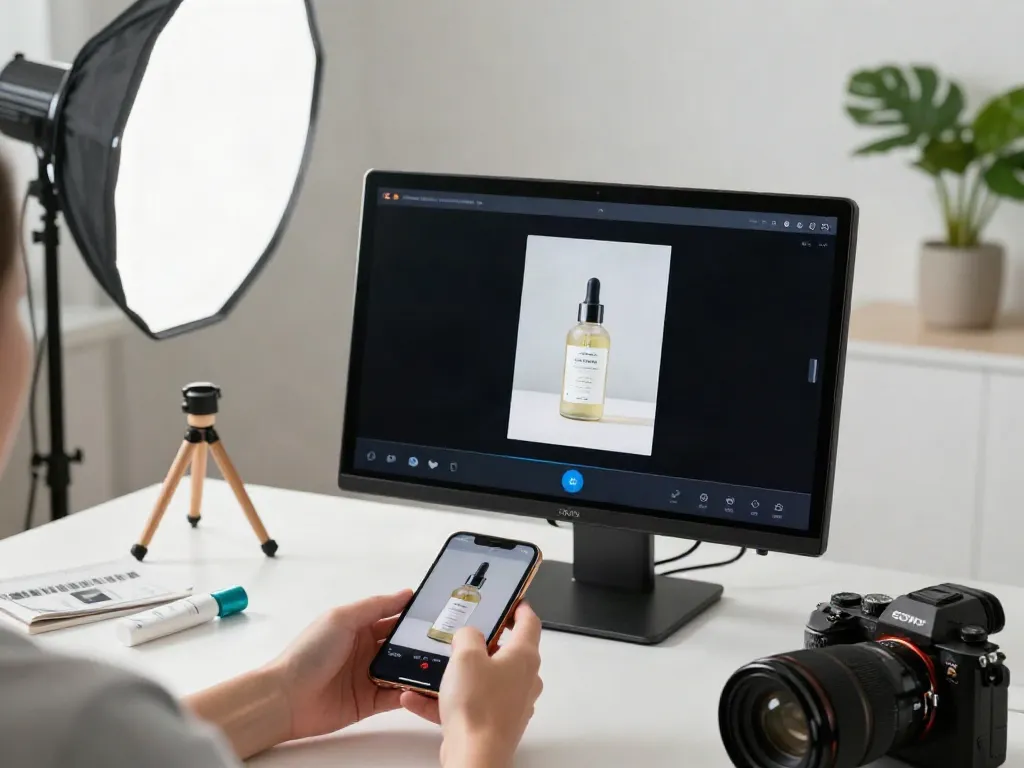
At its core, an AI product photo generator is a software tool that uses machine learning algorithms to create polished product images from raw photographs. Users can upload their original images taken from smartphones or cameras, and the AI analyzes these inputs to enhance quality, adjust backgrounds, and ensure the product is presented attractively. The process often involves automatically correcting lighting, removing unwanted elements, and even adjusting the composition to better showcase the product. This technology democratizes high-quality photography, making it accessible to businesses regardless of their budget.
How AI technology impacts product photography
The integration of AI into product photography results in significant efficiency improvements. Traditional photography often requires expensive equipment, professional skills, and lengthy editing processes. In contrast, AI tools offer automation, enabling anyone to produce professional-grade images with minimal effort. Furthermore, these tools can operate 24/7, allowing businesses to quickly adapt their visual content to meet changing market conditions and consumer preferences. As a result, many firms report increased conversion rates and enhanced user engagement due to the superior quality of their product images.
Benefits of using AI for product imaging
- Cost-Effective: Reduces the need for costly photography sessions and retouching services.
- Time-Saving: Quick processing times allow for immediate use of images across platforms.
- Consistency: Ensures uniformity in style and quality, which is critical for brand identity.
- Accessibility: Ideal for smaller businesses or start-ups that may not have access to professional photography resources.
- Customizable Outputs: Users can often tweak settings to suit their specific branding needs.
How to Use an AI Product Photo Generator Effectively
Utilizing an AI product photo generator can significantly streamline the process of creating stunning product images. However, to maximize the benefits of this technology, it's essential to understand how to use it effectively. Here’s a step-by-step guide to ensure you get the best results when transforming your phone photos into market-ready images.
Step-by-step guide to uploading images
- Choose Your Image: Select a high-quality photo of your product. The clearer and more focused the image, the better the AI can interpret it.
- Upload the Photo: Use the upload feature of the AI generator. Some tools allow you to drag and drop, while others may require you to browse your files.
- Select Output Settings: Decide on the aesthetic elements you want, such as background color, format (e.g., 4:5, square), and additional adjustments like cropping.
- Generate the Image: Click the create or generate button. The AI will process your photo and provide a polished version based on your chosen settings.
- Download the Final Image: Once satisfied with the output, download the image for use in your listings.
Best practices for capturing phone photos
To achieve optimal results with an AI product photo generator, you need to start with a good photograph. Here are some best practices for capturing phone photos that will translate well into beautiful product images:
- Lighting: Use natural daylight whenever possible to avoid harsh shadows and color distortion. Avoid using the flash.
- Focus: Ensure the product is in focus, with the label or critical details clearly visible to the camera.
- Background: A simple, uncluttered background will help the AI tool create a cleaner final image.
- Leveling: Keep your phone level and steady to avoid distortion and ensure the product is presented accurately.
- Framing: Capture the entire product, ensuring no parts are cut off. The more of the product the AI can see, the more accurate the output will be.
Setting up the ideal environment for your photos
The environment in which you take your phone photos plays a crucial role in the quality of the final image. Here are some tips for setting up the ideal shooting environment:
- Choose a Neutral Background: Use a plain white wall, a sheet, or a large piece of poster paper to create a distraction-free backdrop.
- Minimize Clutter: Clear away any items that could clash with your product or distract the viewer.
- Use Reflectors: Utilize materials like white foam boards to bounce light onto your product for a more even illumination.
- Avoid Mixed Lighting: Stick to one type of light source to prevent color temperature discrepancies.
- Time Your Shot: Take your photos during the golden hour (shortly after sunrise or before sunset) when natural light is soft and warm.
Challenges in AI Product Photography
While AI product photo generators offer numerous advantages, they also come with challenges that users should be aware of. Understanding these challenges can help mitigate potential issues and enhance the overall experience with the technology.
Common misconceptions about AI-generated images
There are several common misconceptions regarding AI-generated images that can lead to confusion and unrealistic expectations:
- AI Can Replace Professional Photographers: While AI tools can produce high-quality images, they cannot entirely replace the artistry and expertise of a skilled photographer.
- AI Understands Artistic Vision: AI lacks the subjective understanding of composition and aesthetics that a human photographer brings to the table.
- All AI-Generated Images Are Flawless: While AI can enhance images significantly, it is not infallible. The quality of the output depends heavily on the quality and clarity of the input image.
Limitations of AI product photo generators
AI product photo generators are powerful, but they have limitations that users must consider, including:
- Dependence on Input Quality: Poor-quality images may yield poor results, as the AI can only work with what it receives.
- Creativity Limits: AI lacks the creative aspect of photography; it follows pre-set algorithms that may not suit all artistic desires.
- Technical Glitches: As with any software, AI tools can experience bugs or errors, which might affect the output.
- Customization Constraints: Some tools may have limited customization options, restricting the final appearance of the images.
How to overcome challenges when using AI
To optimize your experience with AI product photo generators and overcome potential challenges, consider the following strategies:
- Invest Time in Learning: Take the time to understand how the generator works and what settings might work best for your products.
- Use Quality Inputs: Always start with high-resolution images to ensure the AI has the best foundation for producing quality outputs.
- Stay Updated: Keep your software updated, as developers often release improvements and fixes that can enhance performance.
- Seek Feedback: If you’re part of a community or network, share your results and gather constructive feedback to refine your approach.
Comparing Top AI Product Photo Generators
As the market for AI product photo generators expands, it is essential for businesses to evaluate the different options available. Understanding the key features, costs, and the real-world applications of these tools will help you make informed decisions about which one suits your needs best.
Key features to look for in a generator
When comparing AI product photo generators, consider the following features to ensure you select the best one for your requirements:
- Output Quality: Look for generators that consistently produce high-resolution, professional-grade images.
- Ease of Use: The interface should be user-friendly, allowing you to navigate the tool without extensive training.
- Customization Options: The ability to customize backgrounds, dimensions, and other settings is crucial for maintaining your brand's aesthetic.
- Integration Capabilities: Ensure that the AI tool can integrate easily with e-commerce platforms or your existing workflows for streamlined use.
- Customer Support: A responsive customer support system can alleviate potential issues and enhance your overall experience.
Cost vs. benefit analysis of popular tools
It is essential to weigh the costs against the benefits when selecting an AI product photo generator. Here are some popular options currently available:
- Flair.ai: Offers a subscription model with various pricing tiers based on the number of images generated, providing flexibility for small to large businesses.
- Pebblely: Provides a pay-as-you-go option, which can be beneficial for users with fluctuating needs.
- Canva: Includes a range of templates with AI capabilities, making it ideal for businesses looking for an all-in-one design tool.
Each of these options comes with its distinct advantages and drawbacks, so it’s crucial to assess your unique needs as a business before making a decision.
Case studies of successful brands using AI photography
Several brands have harnessed the power of AI product photography to transform their visual marketing efforts. Here are examples of success stories:
- Beauty Brands: Companies in the beauty industry have adopted AI tools to quickly generate professional product images for new launches, significantly reducing their time-to-market.
- Fashion Retailers: E-commerce fashion retailers have utilized AI to create consistent and high-quality images across their platforms, enhancing their online presence and brand image.
- Food and Beverage Companies: Various food brands have leveraged AI-generated photos for social media campaigns, achieving higher engagement rates due to the visually appealing nature of their posts.
The Future of AI in Product Photography
As technology continues to advance, the future of AI in product photography looks promising. Businesses that embrace these innovations are likely to stay ahead of their competitors and adapt to evolving market expectations.
Emerging trends and technologies for 2026
Several emerging trends are likely to shape the future of AI product photography:
- Augmented Reality (AR) Integration: AI-driven AR tools may enable customers to visualize products in real-world settings, enhancing the online shopping experience.
- Greater Personalization: AI algorithms are expected to become more sophisticated, allowing for hyper-personalized content tailored to individual consumer preferences.
- Advanced Editing Features: Future tools may offer even more powerful editing capabilities, further minimizing the need for professional photographers.
- Sustainability Focus: With increasing consumer focus on sustainability, AI tools that ensure eco-friendly photography practices may gain popularity.
Predictions for the evolution of AI in e-commerce
Looking ahead, we can expect to see several key developments in the intersection of AI and e-commerce:
- Increased Automation: As AI technology evolves, more aspects of the product photography process will likely be automated, allowing sellers to focus on other critical areas of their business.
- Innovation in User Experience: E-commerce platforms will continue to innovate, using AI to create engaging experiences that resonate with consumers.
- Enhanced Analytics: AI-generated images may be paired with analytics tools to provide insights into customer preferences and behaviors, optimizing marketing strategies.
How brands can prepare for the future
To stay competitive in the ever-changing landscape of product photography and e-commerce, brands should consider the following strategies:
- Invest in Training: Equip teams with the skills necessary to leverage AI tools effectively.
- Stay Informed: Keep abreast of emerging technologies and trends to adapt strategies accordingly.
- Experiment with New Tools: Regularly test and evaluate new AI tools to identify those that align with the brand’s objectives.
- Focus on Customer Feedback: Use customer insights to shape product photography strategies, ensuring they resonate with target audiences.