Understanding Precision CNC Machining
In the ever-evolving landscape of manufacturing, precision CNC machining stands out as a cornerstone of high-quality production. With origins tracing back to the early 1950s, CNC (Computer Numerical Control) machining has revolutionized how parts are manufactured across various industries. As a precision cnc machining supplier, Honscn has leveraged this technology since 2003, providing exceptional custom solutions tailored to diverse client needs.
What is CNC Machining?
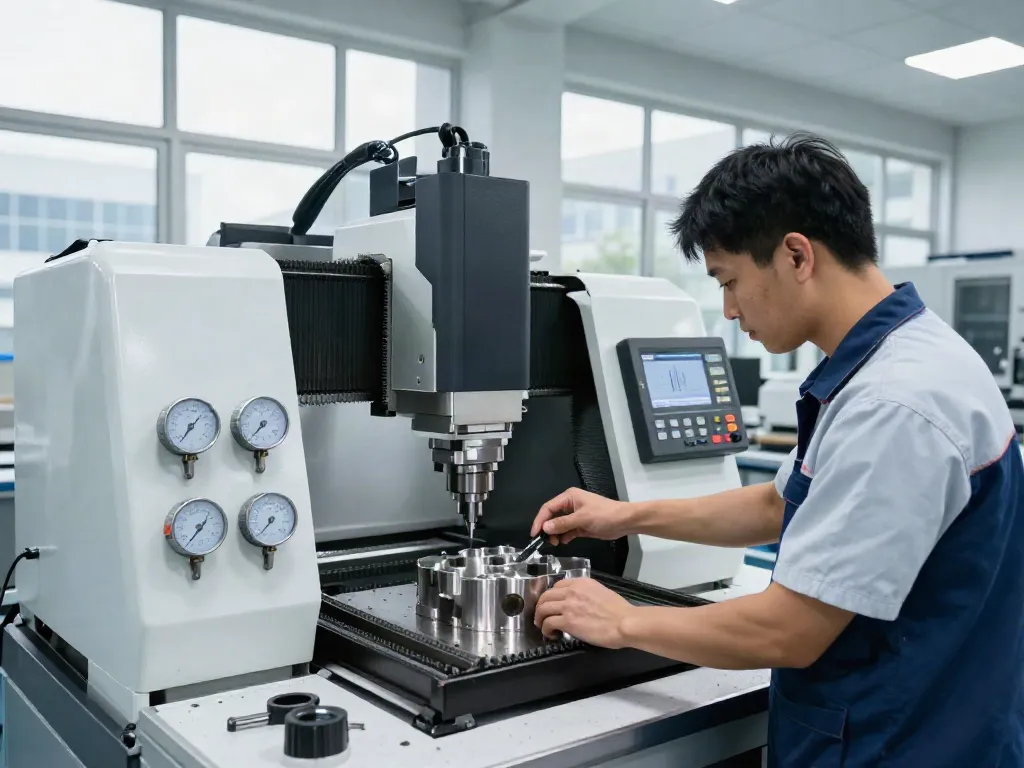
CNC machining is a subtractive manufacturing process that utilizes computerized controls to manipulate machine tools for precision cutting of materials. This automated process allows for intricate designs that are consistent and repeatable, significantly reducing human error. The integration of CAD (Computer-Aided Design) and CAM (Computer-Aided Manufacturing) software further enhances precision in machining operations, enabling manufacturers to produce complex geometries and tight tolerances.
Benefits of Precision CNC Machining
Precision CNC machining offers a myriad of advantages that make it the preferred choice for manufacturers:
- High Accuracy: CNC machines offer incredible precision, often within ±0.001 inches, making them ideal for high-stakes industries like aerospace and medical manufacturing.
- Automated Production: Automation leads to decreased labor costs and increased output, allowing for faster turnaround times and improved efficiency.
- Material Versatility: CNC machining can work with various materials, including metals, plastics, and composites, allowing manufacturers to select the best material for their needs.
- Consistent Quality: The repeatability of CNC machining ensures that every part meets stringent quality standards, reducing waste and the need for rework.
Common Applications Across Industries
Precision CNC machining is utilized across a wide range of industries:
- Aerospace: Components such as turbine blades, brackets, and housings.
- Automotive: Parts including engine blocks, transmissions, and interior components.
- Medical: Surgical instruments, implants, and custom prosthetics.
- Electronics: Enclosures, connectors, and other intricate electronic components.
Choosing the Right Precision CNC Machining Supplier
Selecting an appropriate supplier for precision CNC machining is crucial for the success of your project. The right partner will ensure high quality, timely delivery, and excellent communication throughout the production process.
Evaluating Supplier Expertise and Capabilities
When assessing potential suppliers, consider their history, expertise, and technological capabilities:
- Experience: Look for a supplier with extensive experience in the industry, as they will understand the nuances and challenges specific to your needs.
- Capabilities: Ensure the supplier has the right machinery and technology, including multi-axis machines for complex parts.
- Custom Solutions: A good supplier should be able to tailor their services to meet your unique project requirements.
Understanding Pricing and Cost Structures
Pricing in CNC machining varies based on complexity, material selection, and production volume. Make sure to get detailed quotes that outline costs associated with:
- Setup fees
- Material costs
- Labor and machining time
- Additional services, such as finishing and assembly
Assessing Quality Assurance Protocols
Quality assurance processes are vital in CNC machining. A reputable supplier will have robust protocols that may include:
- Regular inspections and testing of parts
- ISO certifications
- Traceability systems for materials and processes
Popular CNC Machining Techniques
There are several CNC machining techniques used depending on the specific requirements of the project.
CNC Milling vs. CNC Turning
CNC milling and CNC turning are two primary methods of machining:
- CNC Milling: Utilizes rotary cutters to remove material from a stationary workpiece. It's ideal for complex shapes and features.
- CNC Turning: Involves rotating the workpiece against a stationary cutting tool. This method is typically used for cylindrical parts.
Injection Molding for High Volume Production
Injection molding is a common technique used alongside CNC machining for high-volume production runs. It is especially effective for producing complex shapes with high precision and can significantly reduce production costs when large quantities are needed.
Advanced CNC Techniques for Complex Parts
As technology progresses, advanced techniques such as 5-axis machining and Swiss turning are becoming more prevalent. These methods allow for intricate geometries and decreased cycle times, pushing the boundaries of what is possible in manufacturing.
Challenges in Precision CNC Machining
While CNC machining presents numerous benefits, several challenges can arise during production:
Addressing Tolerance and Quality Issues
Achieving tight tolerances is critical but can be a challenge. Regular quality checks and utilizing advanced technology can help mitigate these issues.
Overcoming Supply Chain Disruptions
Supply chain disruptions can significantly affect production timelines. Establishing strong relationships with multiple suppliers can help cushion against these uncertainties.
Dealing with Technical Skill Shortages
As technology evolves, companies struggle with skill shortages in the workforce. Investing in training programs and collaborating with educational institutions can help bridge the gap.
Future Trends in CNC Machining
The future of CNC machining is bright, with several trends shaping its evolution:
Emerging Technologies and Innovations
Technologies such as Artificial Intelligence (AI) and the Internet of Things (IoT) are starting to play a significant role in enhancing CNC machining processes. AI can learn from production data, optimizing workflows and predicting maintenance needs.
Sustainability Practices in CNC Machining
As industries focus on sustainability, CNC machining is adapting through the use of eco-friendly materials and processes that minimize waste and energy consumption.
Skills and Training for Future CNC Workforce
The demand for skilled CNC operators will continue to rise. Companies must invest in training their workforce to utilize advanced technologies and adapt to the shifting landscape of manufacturing.
Conclusion
Precision CNC machining has transformed the landscape of manufacturing since its inception. Choosing the right supplier is paramount in ensuring quality, efficiency, and innovation in production. With the continuous advancements in technology and practices, CNC machining will remain a critical component of various industries well into the future. Honscn stands out as a premier precision cnc machining supplier, ensuring clients receive the best products tailored to their specific needs.