Understanding Improv Basics
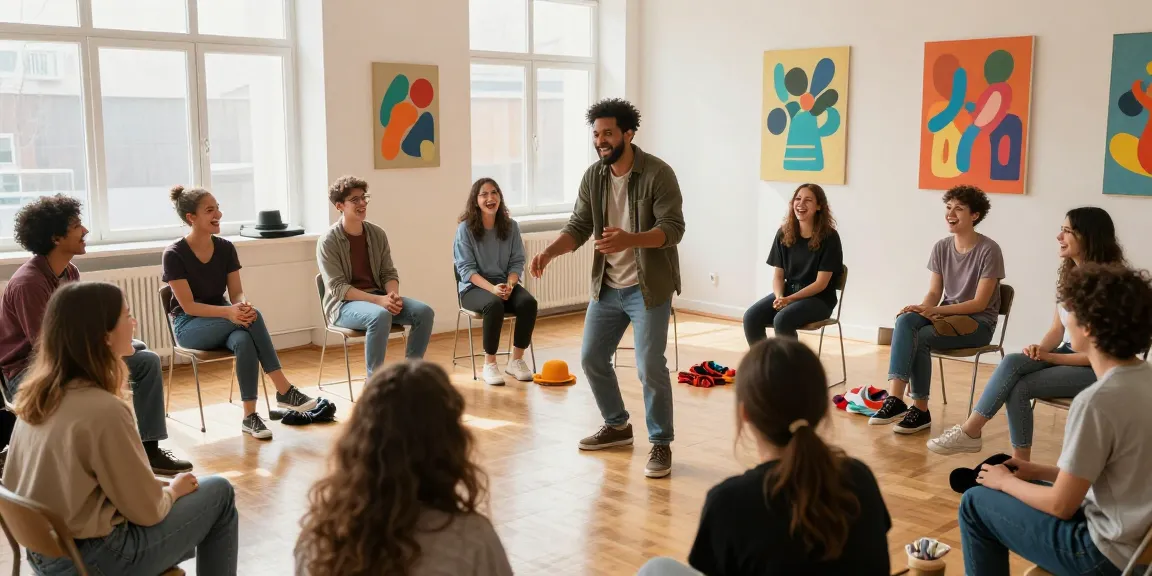
Improv, short for improvisational theater, is an engaging and dynamic form of performance art where most or all of what is performed is created spontaneously by the performers. This art form emphasizes creativity, collaboration, and quick thinking, making it a valuable skill for anyone looking to improve their communication abilities, adaptability, and confidence. In recent years, the popularity of improv has surged, leading many aspiring performers to explore improv for beginners classes and workshops. These sessions provide a foundation for beginners to develop essential skills while fostering a fun and supportive environment.
What is Improv?
At its core, improv is a form of acting that is unstructured and relies on the performers to create dialogue, characters, and stories without pre-written scripts. Typically performed in front of an audience, improv can take many forms, from short scenes to longer narratives, and often incorporates audience suggestions to guide the direction of the performance. This spontaneity is what sets improv apart from other forms of theatrical expression, allowing for a unique and unpredictable experience every time.
Key Principles of Improv
Understanding the foundational principles of improv is essential for beginners. Here are some core principles that guide improv performances:
- Yes, and: This principle encourages performers to accept and build upon the ideas introduced by their scene partners. It fosters collaboration and idea generation.
- Listening: Effective communication in improv relies heavily on active listening. Performers must pay attention to their partners to react authentically to the unfolding scenarios.
- Character and environment: Improv often revolves around creating distinct characters and settings quickly, enabling performers to dive into scenes without extensive background work.
- Embracing mistakes: Mistakes are a natural part of the improv process. Instead of shying away from errors, performers learn to incorporate them into their scenes, often leading to unexpected and humorous outcomes.
Benefits of Improv for Beginners
Engaging in improv can lead to numerous personal and professional benefits, making it an appealing choice for beginners:
- Enhanced communication skills: Improv encourages clear expression and active listening, skills that are invaluable in both personal and professional contexts.
- Boosted confidence: Performing on stage, even in a spontaneous format, helps build self-esteem and reduces anxiety associated with public speaking.
- Heightened creativity: The unstructured nature of improv stimulates creative thinking and problem-solving, essential skills in any field.
- Social connection: Improv classes foster camaraderie and teamwork, helping individuals connect with like-minded peers.
Common Misconceptions about Improv
Improv is Only for Comedians
One of the most prevalent misconceptions about improv is that it is exclusively for comedians. While many comedians utilize improv techniques, the art form can benefit anyone seeking to improve their communication or interpersonal skills. Professionals in various industries—ranging from business leaders to educators—have found that improv training enhances their ability to engage with others effectively.
You Need Experience to Start
Another barrier for beginners is the belief that prior experience is necessary to participate in improv. In reality, improv welcomes individuals of all skill levels. Classes designed for beginners focus on building foundational skills, encouraging participants to embrace the learning process without prior knowledge of acting or performance.
It’s All About Being Funny
Many people assume that improv is solely focused on humor. While humor often emerges organically, improv also encompasses serious scenes and character-driven storytelling. The core objective is not necessarily to be funny but to create engaging narratives and foster connections among performers and the audience.
Getting Started with Improv
Essential Skills to Develop
As you embark on your journey into the world of improv, consider honing the following essential skills:
- Observation: Cultivating the ability to observe the world around you can lead to richer character development and scene creation.
- Adaptability: Being flexible and open to new ideas is crucial in improv, as scenes often change direction unexpectedly.
- Teamwork: Improv is a collaborative art form, so developing the ability to work well with others is essential.
- Creativity: Regularly engaging in creative exercises can help unlock new ideas and enhance your improvisational skills.
Finding the Right Class
Choosing the right improv class is crucial for a fulfilling learning experience. Look for local workshops that cater to beginners and offer a supportive environment. Additionally, consider instructors with a strong background in teaching improv, as they can provide valuable insights and guidance. Online platforms also offer a range of improv courses, accommodating various learning styles and schedules.
Practicing Improv Techniques at Home
Improving your improv skills doesn’t need to be confined to the classroom. Here are some practical activities you can try at home:
- Mirror exercises: Practice speaking in front of a mirror to enhance your body language and facial expressions.
- Solo improv: Create short scenes or monologues based on random prompts from a book or online resources.
- Group games: Invite friends or family members to play improv games that can help you practice collaboration and spontaneity.
Overcoming Challenges in Improv
Dealing with Stage Fright
Even seasoned performers can experience stage fright. To manage anxiety, consider practicing relaxation techniques such as deep breathing or visualization. Gradually exposing yourself to performance situations, starting with small gatherings before moving to larger audiences, can help build confidence over time.
Collaborating with Others
Collaboration is a fundamental aspect of improv, but it can sometimes lead to conflicts. Practicing effective communication and being receptive to feedback can help mitigate tension during performances. Establishing a strong rapport with your fellow improvisers also fosters a more supportive and creative environment.
Learning from Mistakes
Mistakes are inevitable in improv, but they can also serve as powerful learning opportunities. Reflecting on what went wrong and embracing those moments is crucial for growth. Some of the best comedic moments arise from unexpected twists and errors, reinforcing the idea that imperfection is a part of the journey.
Future of Improv in 2026 and Beyond
Emerging Trends in Improv Training
As we look ahead to 2026, several trends are influencing the evolution of improv training:
- Focus on wellness: Many improv programs are integrating mindfulness practices to enhance emotional well-being among participants.
- Corporate improv training: Companies increasingly recognize the value of improv for team-building and communication skills in the workplace.
- Diversity and inclusion: Improv communities are striving to create more inclusive spaces that represent a wider range of voices and perspectives.
Virtual Improv Workshops and Classes
The rise of virtual platforms has opened doors for improvisers worldwide. Online classes allow participants to connect with instructors and peers from different regions, creating a diverse learning atmosphere. This trend is likely to continue, offering flexibility and accessibility for aspiring improv artists.
How Improv is Influencing Other Art Forms
Improv’s influence is reaching beyond theater and comedy. Many performers in music, dance, and even visual arts are adopting improvisational techniques to encourage creative exploration and spontaneity in their work. This cross-pollination of disciplines enriches the artistic landscape and fosters innovation.
What Role Does Technology Play in Improv?
Technology continues to shape the way improv is taught and performed. From online training resources and virtual reality environments to social media platforms that facilitate audience interaction, technology enhances the improv experience and broadens its reach. As new tools emerge, improvisers can leverage them to push the boundaries of their craft.
How Can Improv Skills Enhance Professional Lives?
The skills developed through improv training have practical applications in the professional sphere. For more information, Communication skills through improv offers valuable insights. Employers increasingly seek communication skills, adaptability, and teamwork, all of which are reinforced through improv practice. By developing these competencies, individuals can enhance their career prospects and foster more meaningful workplace relationships.