
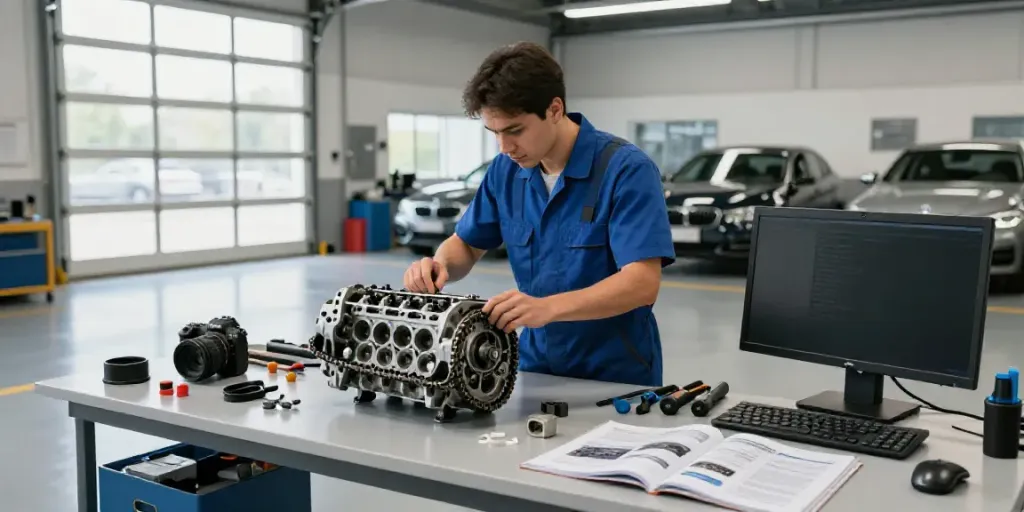
Understanding the Importance of Timing Chains in BMW Vehicles
The timing chain plays a crucial role in the performance and longevity of BMW vehicles. As a key component of the engine, it ensures that the engine's valves open and close at the proper times during each cylinder's intake and exhaust strokes. Understanding how this complex mechanism works is essential for any BMW owner, particularly for those residing in Hannover, where local expertise in timing chain replacement services is readily available. When exploring options, bmw steuerkette hannover provides comprehensive insights into maintaining your vehicle’s health.
What is a Timing Chain and Its Function?
A timing chain is a metal chain that connects the crankshaft to the camshaft, facilitating synchronized movement of the engine’s internal components. Unlike timing belts, which are made of rubber, timing chains are built to last longer and withstand higher temperatures. The proper functioning of the timing chain is vital for maintaining engine performance, efficiency, and overall vehicle reliability.
Common Issues with BMW Timing Chains
BMW engines, particularly those using the N47, N20, and B47 platforms, have garnered attention for specific timing chain issues. Common problems include:
- Stretching: Over time, timing chains can stretch, causing the timing to become misaligned.
- Noise: A rattling or banging noise can indicate a failing chain or worn-out tensioners.
- Failure of the Chain Guides: If the guides wear down, they can lead to severe engine damage if not addressed promptly.
Factors Affecting Timing Chain Longevity
Several factors can influence the lifespan of a timing chain, including:
- Regular Maintenance: Adhering to manufacturer-recommended oil change intervals is key to prolonging a timing chain’s life.
- Driving Conditions: Frequent short trips and driving in harsh conditions can lead to premature wear.
- Engine Design: Certain engine designs, such as those with higher performance outputs, may put additional stress on the timing chain.
Overview of Timing Chain Replacement Services in Hannover
In Hannover, there are numerous specialized automotive service providers that focus on timing chain replacements for BMW vehicles. These professionals offer a range of services tailored to address both routine maintenance and urgent repairs.
Local BMW Service Specialists in Hannover
Hannover is home to several certified BMW specialists who are trained to handle timing chain issues. These experts use original equipment manufacturer (OEM) parts to ensure the highest quality repairs. Their expertise allows them to identify potential problems early and recommend proactive solutions.
Comprehensive Timing Chain Replacement Process
The typical timeline for a timing chain replacement can vary, but the process generally includes:
- Inspection: The technician assesses the vehicle to determine the condition of the timing chain and adjacent components.
- Disassembly: Careful disassembly of the engine components to access the timing chain.
- Replacement: Installation of the new timing chain, tensioners, and guides.
- Reassembly and Testing: Reassembling the engine and conducting tests to ensure proper operation.
Impact of Quality Services on Vehicle Performance
The quality of the timing chain replacement directly affects engine performance. High-quality repairs not only restore functionality but also enhance fuel efficiency, reduce emissions, and improve overall driving experience.
Cost Analysis of BMW Timing Chain Replacement
The cost of replacing a timing chain in a BMW can vary significantly based on the model and specific issues encountered. Understanding the typical costs and potential factors influencing price can help car owners better plan for this necessary service.
Typical Costs for Timing Chain Replacement in Hannover
On average, BMW timing chain replacement costs in Hannover range from €1,500 to €3,000. This estimate includes parts and labor but may vary based on the engine type and service provider.
Factors Influencing Overall Repair Costs
Several factors can influence the final costs of a timing chain replacement, such as:
- Model Complexity: More complex models typically incur higher labor costs.
- Parts Quality: Using OEM parts often increases costs but ensures reliability.
- Location of Service: Service costs may fluctuate based on the garage’s location and market demand.
Potential Savings from Regular Maintenance
Investing in regular maintenance can save BMW owners money in the long run. By addressing minor issues before they escalate, drivers can avoid the significant costs associated with a complete engine rebuild.
Consumer Perspectives on Timing Chain Upgrades
Customer feedback provides valuable insights into the importance of timing chain maintenance and replacement. Many customers report significant improvements in vehicle performance following a professional upgrade or replacement.
Customer Testimonials and Reviews in Hannover
Reviews from local BMW service centers often highlight customer satisfaction with timely service, expertise, and the impact on vehicle performance post-repair. Positive experiences can encourage potential customers to prioritize timing chain health.
Common Misconceptions about Timing Chain Upgrades
There are several misconceptions surrounding timing chain issues, including:
- That they do not require maintenance. In fact, regular inspections are crucial.
- That replacements are always costly. Early intervention can mitigate expenses.
Long-Term Benefits of Professional Repairs
Opting for professional repairs ensures that BMW vehicles operate smoothly and efficiently. Quality repairs enhance driving experience and can significantly prolong the overall lifespan of the engine.
Future Trends in BMW Timing Chain Solutions
The automotive industry is seeing rapid advancements in technology that are influencing timing chain design and maintenance practices. Staying informed of these trends can help BMW owners make better decisions for their vehicles.
Emerging Technologies in Automotive Maintenance
Innovations such as diagnostic equipment with predictive analytics capabilities allow mechanics to assess timing chain health proactively. This technology helps in forecasting potential failures before they occur.
Predictions for 2026 in BMW Engine Technology
By 2026, we anticipate that BMW engines will incorporate enhanced timing chain mechanisms that are even more durable and require less frequent maintenance, thanks to advances in materials science.
How Local Mechanics Keep Up with Industry Changes
Local mechanics in Hannover are consistently upgrading their skills through training programs and workshops, ensuring they remain adept with the latest technologies and repair techniques.
What are the signs that my BMW needs a new timing chain?
Signs of a failing timing chain may include engine misfires, rattling noises, and warning lights on the dashboard. Drivers should not ignore these indicators, as they can lead to severe engine damage.
How often should the timing chain be replaced in BMWs?
While some BMW models can last over 200,000 kilometers without a timing chain replacement, regular inspections are advisable to ensure that the chain remains in optimal condition.
What are the costs associated with a timing chain replacement?
As discussed earlier, costs typically range from €1,500 to €3,000, depending on various factors such as the complexity of the model and service provider rates.
What happens if I ignore timing chain issues?
Ignoring timing chain problems can lead to catastrophic engine failure, resulting in extensive repair costs and vehicle downtimes. Early recognition and professional intervention are key to preventing such issues.
Are there specific BMW models more prone to timing chain issues?
Indeed, certain models, particularly those equipped with the N47 and N20 engines, have been reported to experience more frequent timing chain problems. Owners of these vehicles should ensure regular maintenance checks.