
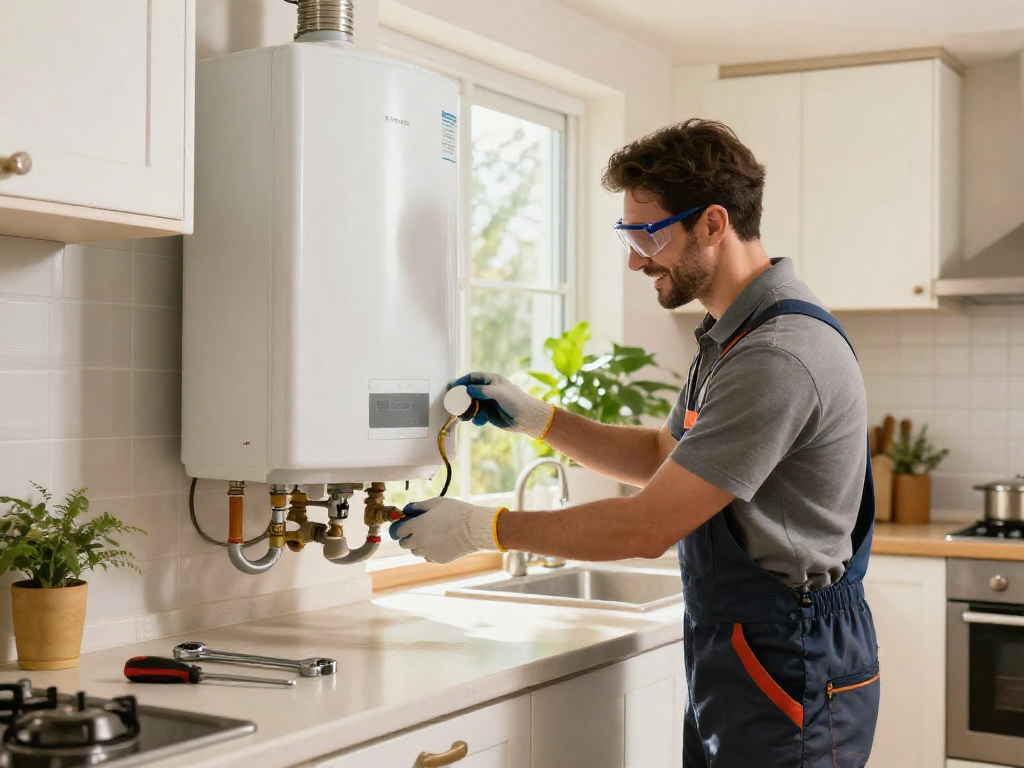
Understanding Water Heater Replacement in Fort Worth
Replacing a water heater is one of the most significant home improvement projects homeowners in Fort Worth can undertake. As water heaters are essential for daily functions like bathing, cooking, and cleaning, understanding the replacement process is vital. With advancements in technology and increased awareness of energy efficiency, options available today can greatly enhance your home's comfort and reduce your utility bills. When exploring options, water heater replacement Fort Worth services provide comprehensive insights to help you make informed decisions.
What You Need to Know About Your Current System?
Before considering a replacement, it's crucial to evaluate your current water heater system. Factors like the age of your heater, the type of energy it uses, and its efficiency ratings are critical in determining whether a replacement is necessary. Most traditional water heaters last about 10-15 years, while tankless models may last longer. Look for signs such as inconsistent water temperature, rust-colored water, or strange noises from the unit; these could indicate failure.
Benefits of Upgrading Your Water Heater
Upgrading your water heater offers multiple advantages:
- Increased Efficiency: New models often boast higher energy efficiency ratings, translating to lower utility bills.
- Better Performance: Modern water heaters provide consistent hot water, which is essential for households with higher demands.
- Enhanced Safety Features: New technologies often include better safety features, such as automatic shut-offs and improved insulation.
Common Issues That Necessitate Replacement
Several common problems can necessitate a water heater replacement:
- Age: If your unit is over ten years old, it may be more cost-effective to replace it than to repair it.
- Leaking: A leaking water heater can lead to substantial water damage and higher utility bills.
- Inconsistent Water Supply: Frequent changes in temperature can be annoying and indicate a problem within the tank.
Choosing the Right Water Heater for Your Home
When selecting a new water heater, it’s essential to consider your household's specific needs and characteristics.
Comparing Tank vs. Tankless Water Heaters
The choice between a tank and a tankless water heater can significantly impact your energy consumption and hot water availability. Tank water heaters store a specific quantity of heated water, making them more suitable for families with high hot water usage. Tankless models, on the other hand, heat water on demand, offering endless hot water and potentially lower energy costs due to their on-demand heating capabilities.
Energy Efficiency Ratings Explained
Understanding energy efficiency ratings is crucial for making an informed choice. Look for labels such as the Energy Factor (EF) and the Uniform Energy Factor (UEF), which measure the efficiency of water heaters. The higher the rating, the more efficient the water heater, meaning lower energy costs over time.
Sizing Your Water Heater for Optimal Performance
Correct sizing is vital for ensuring efficient operation. A water heater that is too small will struggle to meet your household's demands, while one that is too large can waste energy. Consider factors like the number of faucets, showers, and appliances that use hot water to determine the correct size.
The Water Heater Replacement Process
The replacement process can seem daunting, but knowing what to expect can make it manageable.
Steps in the Replacement Procedure
- Assessment: Evaluate the current system and determine the appropriate replacement.
- Selection: Choose a new water heater based on family needs, budget, and energy-efficiency ratings.
- Installation: Ensure that the installation follows local codes and regulations.
- Testing: After installation, test the unit to ensure it operates correctly.
Important Safety Precautions to Follow
Safety should be your top priority during the replacement process. Always turn off the power and water supply to the heater before beginning any work. Additionally, be aware of the potential for gas leaks if your unit operates on natural gas.
Hiring a Professional vs. DIY Installation
While some homeowners may be tempted to tackle the installation themselves, hiring a professional is often the best choice. Professionals understand the complexities of local codes, safety checks, and installation procedures, which can save you time and potential hazards in the long run.
Cost Considerations for Replacement
Understanding the costs involved in a water heater replacement can help you budget effectively.
Average Costs for Water Heater Replacement in Fort Worth
In Fort Worth, the cost for water heater replacement can range from $800 to $1,500, depending on the type and size of the unit, as well as labor costs. Tankless models might have a higher initial cost but may save money in the long run through lower energy bills.
Factors Affecting Replacement Costs
Several factors can influence replacement costs:
- Type of Heater: Tank vs. tankless models have different price points.
- Labor Costs: Hiring a qualified technician can add to your overall expense.
- Permits: Local regulations may require permits that can increase costs.
Financing Options and Incentives Available
Many homeowners may not be aware of financing options available for water heater replacements. Some manufacturers offer financing programs, and there may be local or state incentives for energy-efficient models, making an upgrade more affordable.
Future Trends in Water Heater Technology
The water heater industry is evolving rapidly, with innovations shaping how we think about hot water in our homes.
Innovations to Look For in 2026
By 2026, expect to see advancements in smart technology that allow homeowners to monitor their energy usage and manage their water heater remotely through smartphone apps.
Environmental Impact of New Technologies
As energy efficiency becomes more critical, newer water heaters will likely use refrigerants that have a lower environmental impact. This could result in both energy savings and a smaller carbon footprint.
How Smart Water Heaters Are Changing the Game
Smart water heaters can learn your usage patterns and adapt accordingly, optimizing efficiency. Features such as leak detection sensors and automatic adjustments based on energy demand contribute to both convenience and sustainability.
What Are the Signs That Indicate Replacement?
Recognizing the signs of a failing water heater can save you from sudden inconveniences. If you observe significant rust on the tank, strange noises, inconsistent water temperatures, or leaks, it's time to consider a replacement.
How Long Does a Water Heater Typically Last?
The average lifespan of a traditional water heater is between 10-15 years, while tankless models can last up to 20 years. Regular maintenance can help extend the life of your unit.
Can I Install a Water Heater Myself?
Although it's possible to install a water heater yourself, it requires a significant understanding of plumbing and electrical systems. Improper installation can lead to dangerous situations or costly repairs, making professional installation a more prudent choice.
What Are the Different Types of Water Heaters Available?
Homeowners have various options to choose from when it comes to water heaters:
- Storage Tank Water Heaters: The most common type, holding a reservoir of hot water.
- Tankless Water Heaters: Heat water on demand and are generally more energy-efficient.
- Heat Pump Water Heaters: Transfer heat rather than generate it directly, leading to significant energy savings.
- Solar Water Heaters: Use renewable energy from the sun, which can reduce utility bills significantly.