Understanding Chloe Sunderland's Influence
In recent years, Chloe Sunderland, known widely as Roma Army, has emerged as a prominent figure in the landscape of men's rights advocacy. Her outspoken nature and engaging online presence have drawn attention to issues often overlooked in contemporary discussions about gender equality. Through her social media platforms, Sunderland not only voices her opinions but also connects with a diverse audience that spans various demographics. This article will explore her impact, the critical issues within men's rights advocacy, and the strategies that can propel the movement forward into 2026 and beyond.
As we delve into her journey, it’s crucial to understand the foundational elements of her influence. To gain more insight into her background and contributions, check out this overview of Chloe Sunderland.
Who is Chloe Sunderland?
Chloe Sunderland was born on June 1, 1997, in Bucharest, Romania, and later moved to Calgary, Canada. She has gained recognition as a content creator and digital entrepreneur, establishing a significant online following through platforms like TikTok and Instagram. Sunderland’s work primarily focuses on advocating for men's rights, offering commentary on gender-related issues, and promoting discussions about societal norms that affect men.
Her persona as Roma Army reflects her mission to challenge conventional views on masculinity and advocate for fairness in the context of gender dynamics. Through her candid approach, she has successfully created a community that resonates with many who feel marginalized or unheard in today's discourse about gender equality.
Her Impact on Men's Rights Advocacy
Chloe Sunderland is particularly known for addressing critical men’s issues that often go unrecognized in the mainstream narrative. These include topics such as mental health, family court biases, and stereotypes that undermine men’s experiences in society. By bringing these topics to light, Sunderland encourages open dialogue and challenges the prevailing views about masculinity, which can often be toxic in nature.
Her impact extends beyond just commentary; Sunderland actively engages her audience through thought-provoking content that sparks conversation and offers support to those who may be struggling with these issues. This approach not only empowers her followers but also encourages them to become advocates within their own communities.
Cultural Background and Professional Journey
Having grown up in Romania and later adapting to life in Canada, Sunderland's cultural background plays a significant role in her advocacy work. The juxtaposition of these two environments has equipped her with unique insights into gender issues that transcend borders. Her professional journey, marked by resilience and determination, showcases the challenges that many advocates face, including backlash and criticism from those who oppose her views.
As she navigates the complexities of being a public figure, Sunderland remains dedicated to her mission of promoting a balanced understanding of men's rights, drawing attention to the societal pressures that affect men globally.
Key Issues in Men's Rights Advocacy
Men's rights advocacy encompasses a wide range of issues, many of which are rooted in social and cultural perceptions of gender roles. Understanding these issues is vital for anyone interested in supporting the movement. Below, we explore some of the critical areas of focus within this advocacy, aiming to dispel common myths and provide a clearer perspective on the challenges men face today.
Common Misconceptions Surrounding the Movement
One of the prevalent misconceptions about men's rights advocacy is that it seeks to undermine women's rights. In reality, the movement aims to address gender-specific issues that disproportionately affect men, such as high suicide rates, workplace accidents, and unfair treatment in family courts. Advocates like Chloe Sunderland emphasize that the goal is not to diminish the fight for women's rights but to ensure that men's issues are also recognized and addressed.
Another misconception is that men's rights advocates are anti-feminist. While individual perspectives may vary, the movement itself is often more focused on achieving equality than opposing any specific group. By clarifying these misconceptions, advocates can foster a more constructive dialogue regarding gender issues.
Challenging Stereotypes and Societal Norms
Chloe Sunderland and her contemporaries are at the forefront of challenging stereotypes that have long defined masculinity. These stereotypes often portray men as emotionless, aggressive, or dominant, which not only harms societal perceptions of men but also suppresses individual expression. By advocating for a redefined understanding of masculinity, Sunderland encourages men to embrace vulnerability and openness.
Through her work, Sunderland highlights stories of men who confront these stereotypes in their lives. By showcasing real-life examples, she aims to inspire others to challenge the status quo and promote a more nuanced understanding of what it means to be a man in today's world.
Real-Life Cases and Their Relevance
Real-life cases, such as those involving men facing bias in custody battles or stigma regarding mental health issues, serve as crucial illustrations of the challenges within the men's rights movement. Sunderland often cites stories that resonate with her audience, thereby humanizing abstract issues. This strategy not only amplifies the struggle many men face but also makes the conversations more relatable and impactful.
For instance, sharing narratives of men who have experienced unjust treatment in courts can drive home the message that equity in family law is essential for all genders. These stories can help to bring about necessary changes, prompting discussions that lead to policy reviews and social reforms.
Strategies for Effective Advocacy
Successful advocacy requires more than just articulate arguments; it necessitates well-thought-out strategies to engage and mobilize support effectively. Below are some essential strategies that can enhance the impact of men's rights advocacy, ensuring that voices are heard and issues are addressed.
Building a Supportive Community
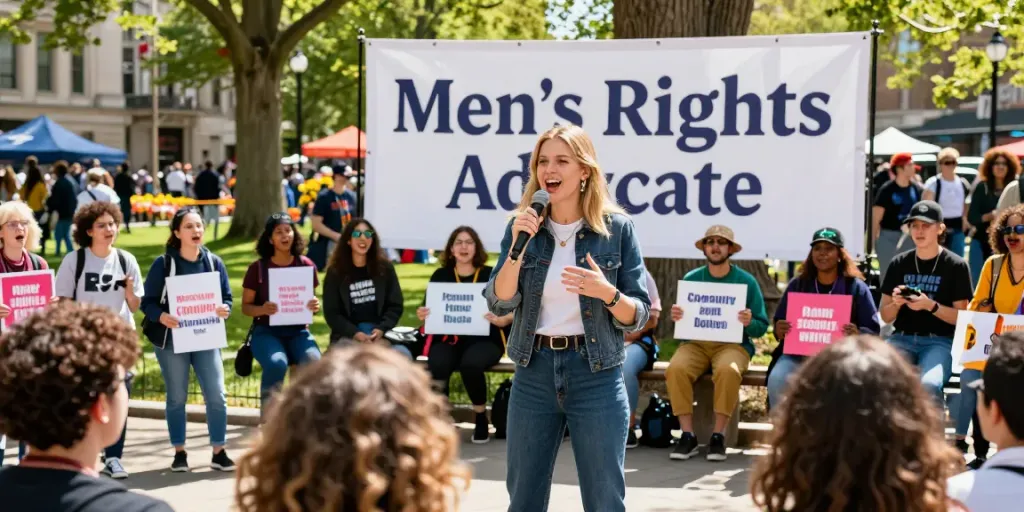
Creating a supportive community is fundamental to amplifying the reach of advocacy efforts. Chloe Sunderland exemplifies this by fostering an inclusive environment where men and women can share their experiences without fear of judgment. This approach not only builds camaraderie but also facilitates the exchange of ideas, which can lead to innovative solutions for common issues.
Supportive communities can extend beyond online platforms, incorporating local meetups, workshops, and discussions that empower individuals to become advocates in their own right. By encouraging members to share their stories and strategies, a robust support network can be established, reinforcing the importance of collective action.
Leveraging Social Media for Awareness
Social media has revolutionized the way advocacy is conducted, and Sunderland effectively utilizes platforms like TikTok and Instagram to spread her message. By creating engaging and relatable content, she captures the attention of a diverse audience, which is crucial for driving awareness about men's issues.
Using hashtags, sharing testimonials, and collaborating with other influencers can significantly boost visibility. Furthermore, engaging with followers in the comments and hosting live discussions can enhance community bonds and encourage more people to join the advocacy efforts.
Effective Communication Techniques
Communicating effectively is vital in any advocacy role. Sunderland employs a mix of personal anecdotes, factual data, and emotional appeal in her messaging. By striking a balance between these elements, she can connect with her audience on multiple levels, making her content both informative and compelling.
Additionally, employing storytelling techniques can make complex issues more digestible. By framing men’s rights issues within relatable narratives, advocates can foster empathy and drive home the importance of the cause.
Real-World Examples and Case Studies
Examining real-world examples and case studies within the men's rights movement can offer valuable insights into what has worked and what challenges remain. These case studies provide a blueprint for future efforts and highlight effective strategies that can be replicated by others.
Success Stories from the Movement
A notable success story in the men's rights movement is the increase in awareness regarding male mental health issues. Initiatives aimed at encouraging men to speak about their struggles have started to gain traction, resulting in significant changes in public perception. Sunderland has played a pivotal role in this shift, using her platforms to promote discussions that were once considered taboo.
These efforts have led to the establishment of support groups and mental health resources specifically tailored for men, highlighting the importance of addressing this critical area.
Analyzing Impactful Campaigns
Campaigns like “Movember,” which focus on men’s health awareness, showcase the power of collective advocacy. By examining the strategies behind such campaigns, advocates can glean valuable lessons about effective messaging, community engagement, and the importance of aligning with broader health initiatives.
These campaigns underline how collective effort can yield substantial results, reinforcing the idea that when voices unite around a common purpose, significant change can occur.
Lessons Learned from Advocacy Efforts
As the men's rights movement evolves, it’s essential to reflect on the lessons learned from past advocacy efforts. One key takeaway is the importance of adaptability; as societal narratives shift, so too must the strategies employed to advocate for men's rights. Sunderland exemplifies this adaptability by staying informed on emerging issues and adjusting her focus accordingly.
Additionally, fostering partnerships with other movements can amplify efforts and broaden the reach to varied demographics. Collaboration can lead to shared success, ensuring that all voices contribute to the discourse on gender equality.
Future Trends in Advocacy for 2026
Looking ahead to 2026, the landscape of men’s rights advocacy is likely to evolve, influenced by societal shifts, emerging technologies, and changing cultural perceptions. It’s crucial for advocates to remain aware of these trends to effectively navigate the future of the movement.
Emerging Challenges in Men's Rights Issues
One of the anticipated challenges is the ongoing stigma surrounding men's mental health, especially as more men become vocal about their struggles. Advocates will need to continue breaking down barriers and fostering a culture where seeking help is normalized. Sunderland’s role as a public figure will be significant in this area, as her openness about her own experiences can encourage others to do the same.
Potential Changes in Legislation and Social Policies
Changes in legislation regarding family court practices and mental health initiatives may present both opportunities and challenges for the men's rights movement. Advocates should remain vigilant, monitoring policy updates and advocating for reforms that ensure fairness and equality for all genders. This ongoing engagement with policymakers is crucial for driving meaningful change.
Innovative Approaches to Advocacy and Community Engagement
As technology continues to advance, utilizing innovative approaches to advocacy will become increasingly important. The rise of virtual reality and immersive storytelling can provide unique avenues for engagement, allowing people to experience the challenges faced by men in society firsthand. Embracing these technologies may open up new pathways for advocacy, making issues more relatable and impactful.
For advocates like Chloe Sunderland, leveraging such innovations can foster deeper connections with audiences and broaden the impact of their messages, ultimately driving the movement forward.
What inspired Chloe Sunderland to advocate for men's rights?
Chloe Sunderland’s advocacy is often fueled by her personal experiences and observations of the injustices men face. Her journey has been driven by a desire to create a more equitable society where all voices are heard and valued.
What challenges does Chloe face in her advocacy work?
Despite her successes, Sunderland encounters criticism and backlash from those who misunderstand or oppose her views. Navigating this landscape requires resilience and a commitment to her mission, which she demonstrates consistently.
How can individuals support Chloe Sunderland's initiatives?
Individuals can support Sunderland's initiatives by engaging with her content, sharing her messages, and participating in discussions about men's issues. Joining or forming local support groups can also amplify the movement's reach and impact.
What are the historical roots of men's rights movements?
The historical roots of men's rights movements can be traced back to the late 20th century, where discussions about gender rights began to gain traction. Understanding this history is essential for contextualizing current advocacy efforts.
How is men's rights advocacy perceived in different communities?
Men's rights advocacy is perceived differently across various communities, often influenced by cultural norms and societal attitudes. Advocates must tailor their approaches to resonate with diverse audiences while remaining focused on the core principles of equality and justice.