Understanding the Manaslu Circuit Trek
The Manaslu Circuit Trek is one of the most breathtaking trekking experiences that Nepal offers. Set in the stunning backdrop of the Himalayas, this trek embodies a unique blend of natural beauty, cultural richness, and a sense of adventure. For those seeking a less-traveled pathway compared to more popular treks like Annapurna or Everest Base Camp, the Manaslu Circuit presents an alluring and less commercialized alternative. It encompasses not only challenging terrains and diverse ecosystems but also traditional villages and spiritual sites that showcase the rich Tibetan-influenced culture of the region.
What is the Manaslu Circuit?
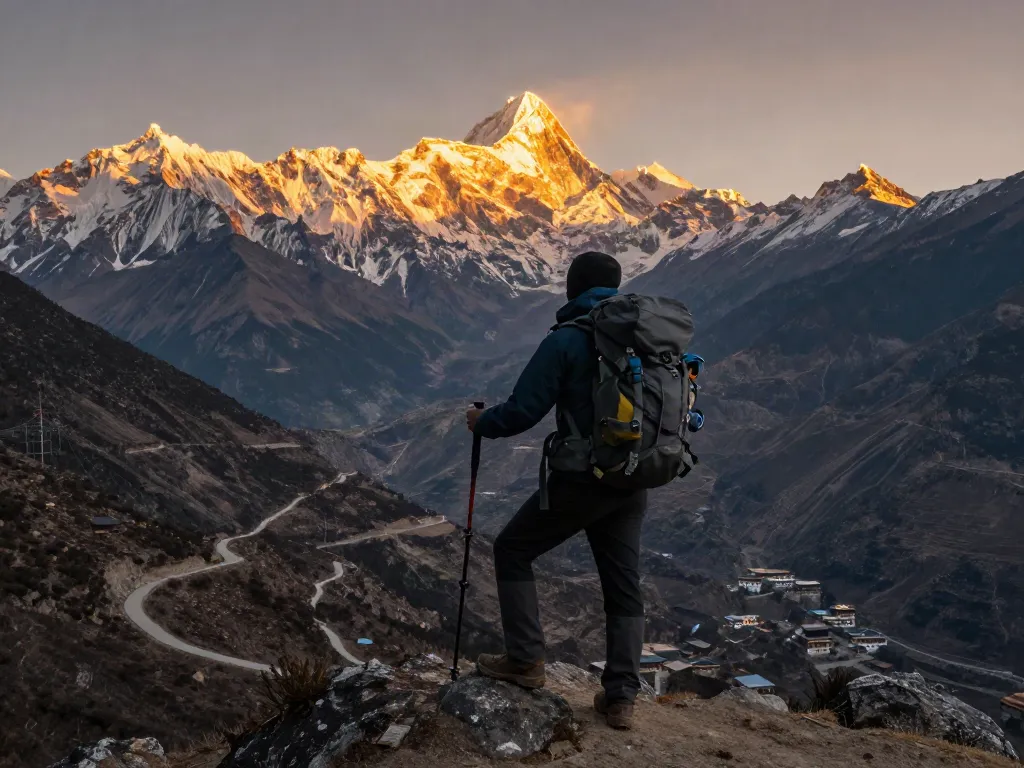
The Manaslu Circuit is a circular trekking route that encircles Mount Manaslu, the eighth highest mountain in the world, standing at 8,163 meters (26,781 feet). The trek spans approximately 177 kilometers (110 miles) and typically takes about 15 days to complete. It begins in the charming village of Machha Khola and concludes at Dharapani, traversing varied landscapes, from lush subtropical forests to alpine meadows and high mountain passes. The highlight of the trek is undoubtedly the crossing of the Larkya La Pass (5,160 meters), which offers panoramic views of some of the highest peaks in the region.
Key Highlights of the Trek
- Diverse Ecosystems: The trek passes through different climatic zones, from tropical lowlands to high-altitude landscapes.
- Cultural Immersion: Interact with the indigenous Gurung and Tibetan communities, and explore ancient monasteries and traditional villages.
- Stunning Views: Enjoy spectacular views of the Manaslu range, including Himlung Himal and Kang Guru.
- Rich Biodiversity: Trek through the Manaslu Conservation Area, home to diverse wildlife including snow leopards, Himalayan tahr, and various bird species.
- Less Crowded Routes: Unlike popular treks, the Manaslu Circuit is relatively less crowded, offering a peaceful trekking experience.
Why Choose the Manaslu Circuit in 2026?
As trekking in Nepal continues to gain international traction, the Manaslu Circuit stands out for its untouched trails and authentic experiences. Choosing to trek the Manaslu Circuit in 2026 means immersing yourself in the beauty of nature while benefiting from improved infrastructure and increased support for sustainable tourism practices. The trek provides a perfect blend of adventure, serenity, and cultural exploration, making it an ideal choice for trekkers looking for a unique experience off the beaten path.
Preparing for Your Trek
Preparation is essential for a successful trekking experience, especially in a challenging environment like the Manaslu Circuit. Being well-equipped and informed can make all the difference in ensuring a safe and enjoyable trek.
Essential Gear and Packing List for Manaslu Circuit
When gearing up for the Manaslu Circuit, having the right equipment can significantly affect your comfort and safety. Here’s a list of essential items you should consider:
- Footwear: Sturdy trekking boots with good ankle support.
- Clothing Layers: Moisture-wicking base layers, insulating layers, and waterproof jackets.
- Sleeping Gear: A high-quality sleeping bag rated for low temperatures.
- Hydration Gear: Reusable water bottles and purification tablets.
- Personal Items: Sunscreen, sunglasses, a first aid kit, and trekking poles.
Physical Preparation and Fitness Requirements
The Manaslu Circuit is considered moderately challenging, with daily treks generally lasting 5-8 hours and reaching altitudes over 5,000 meters. Therefore, physical fitness is crucial. Building cardiovascular endurance through running, cycling, or hiking is recommended. Aim for at least 2-3 months of dedicated training, including long hikes with a loaded backpack to simulate the trekking experience. Being acclimatized to altitude and understanding how your body reacts to high altitudes is also essential for a successful trek.
Understanding Trekking Permits and Logistics
As the Manaslu Circuit lies within a restricted area, you will need specific trekking permits. These include the Manaslu Restricted Area Permit (MRAP), the Manaslu Conservation Area Permit (MCAP), the Annapurna Conservation Area Permit (ACAP), and the Trekkers Information Management System (TIMS) card. It is advisable to arrange these permits through a registered trekking agency. Planning your trek logistics, including travel insurance, transportation, and accommodations, will also ensure a smooth experience.
Itinerary Breakdown: What to Expect
Understanding the daily itinerary of the Manaslu Circuit Trek will help you prepare mentally for the journey ahead. Each day presents unique challenges and breathtaking views that contribute to the overall experience.
Day-by-Day Overview of the Manaslu Circuit
- Day 1: Arrival in Kathmandu and transfer to the hotel.
- Day 2: Drive to Machha Khola (approx. 8-10 hours) via Soti Khola.
- Day 3: Trek to Jagat (6-7 hours).
- Day 4: Trek to Deng (6-7 hours).
- Day 5: Trek to Namrung (7-8 hours).
- Day 6: Trek to Lho (3-4 hours).
- Day 7: Trek to Samagaon (3-4 hours).
- Day 8: Acclimatization day; hike to Birendra Lake and Manaslu Base Camp (4,800 m).
- Day 9: Trek to Samdo (3-4 hours).
- Day 10: Trek to Dharmashala (4,460 m; 4-5 hours).
- Day 11: Trek to Bimthang via Larkya La Pass (5,160 m; 8-9 hours).
- Day 12: Trek to Goa (5-6 hours).
- Day 13: Trek to Dharapani (3-4 hours).
- Day 14: Drive back to Kathmandu (10-12 hours).
- Day 15: Transfer to International Airport for your departure.
Acclimatization and Health Considerations
Acclimatization is a vital aspect of a successful trek. The trek includes an acclimatization day at Samagaon, where trekkers can take shorter hikes to higher elevations and return. This practice helps your body adjust to decreasing oxygen levels at high altitudes, reducing the risk of altitude sickness. Always remain attentive to your health and that of your fellow trekkers. Stay hydrated, eat well, and communicate any unusual symptoms to your guide.
Important Tips for Each Trekking Stage
Throughout your journey, keep these essential tips in mind:
- Take It Slow: Ascend gradually to allow your body to adapt.
- Stay Hydrated: Drink plenty of water, even if you do not feel thirsty.
- Listen to Your Body: If you experience symptoms of AMS, do not hesitate to descend or seek help.
- Enjoy the Experience: Take breaks to soak in the breathtaking scenery and local culture.
Travel Tips for the Manaslu Region
Understanding the local environment, culture, and conditions will enhance your overall trekking experience in the Manaslu region. Here are some crucial travel tips to keep in mind.
Best Time to Trek the Manaslu Circuit
The optimal times for trekking the Manaslu Circuit are during the spring (March to May) and autumn (September to November) seasons. During these periods, the weather is usually stable, offering clear skies and stunning views of the surrounding peaks. Monsoon season (June to mid-September) should be avoided due to heavy rainfall, which can make trails slippery and lead to landslides. Winter trekking (December to February) is an option, but temperatures can drop significantly, and there may be snowfall.
Local Culture and Community Engagement
Engaging with local communities is a rewarding aspect of the Manaslu Circuit. It's essential to respect local customs, traditions, and practices. Be open to learning about their lifestyle, try local dishes, and share stories. Remember that small gestures, such as learning a few words in the local language, can foster goodwill and create memorable experiences.
Safety and Emergency Procedures on the Trek
Safety must be a priority during your trek. Ensure you follow these best practices:
- Trek with a Guide: Always trek with a licensed guide who is knowledgeable about the terrain and potential hazards.
- Carry a First Aid Kit: Have basic medical supplies readily accessible for emergencies.
- Emergency Contacts: Familiarize yourself with local emergency contacts and procedures before starting your trek.
Frequently Asked Questions about the Manaslu Circuit
How difficult is the Manaslu Circuit Trek?
The Manaslu Circuit is rated as moderately difficult. Trekkers should be prepared for long days of trekking, varying altitudes, and potentially challenging weather conditions. It's recommended to have a good level of fitness and prior trekking experience, especially in high-altitude conditions.
What is the average cost of trekking the Manaslu Circuit?
The cost of the Manaslu Circuit Trek can vary widely based on your chosen itinerary and the services included. On average, costs tend to range from $1500 to $2500, depending on factors such as the trekking agency, group size, and time of year. Ace the Himalaya typically offers packages starting at approximately $1,550, which includes transportation, permits, guides, meals, and lodging.
What accommodations are available during the trek?
Accommodation during the Manaslu Circuit consists mainly of traditional teahouses and lodges, providing simple but comfortable lodging. Most teahouses offer twin-sharing rooms with shared bathrooms. As you ascend to higher elevations, the standards of accommodation may decrease, becoming more basic.
Are there any specific health risks to consider?
One of the primary health risks on the trek is Acute Mountain Sickness (AMS), which can occur when ascending to high altitudes too quickly. It's vital to understand the symptoms of AMS, practice acclimatization, and stay hydrated. Trekkers should also consider vaccinations before traveling to Nepal.
Can solo trekkers join group tours for the Manaslu Circuit?
Yes, solo trekkers can join group tours for the Manaslu Circuit. Many trekking companies, including Ace the Himalaya, offer scheduled group departures that solo trekkers can join, allowing for both guided support and social interaction with fellow trekkers.