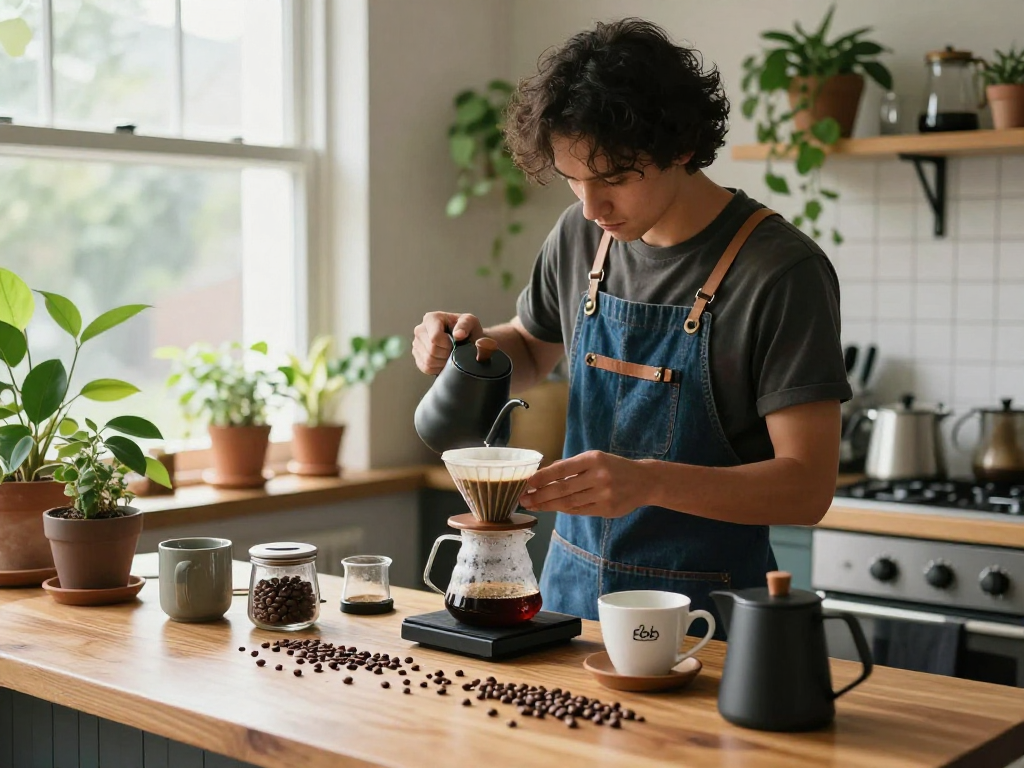
The Evolution of Pour-Over Coffee Culture
Pour-over coffee has transformed from a simple brewing method to a global phenomenon that celebrates the art and science of coffee making. Its allure lies not only in the final cup but also in the ritual of brewing itself. As coffee enthusiasts seek to enhance their brewing techniques, the demand for quality tools and sustainable practices continues to grow. For those keen on elevating their experience, www.ebbfilter.com offers a range of products tailored to complement the pour-over process, marrying quality and sustainability.
History and Origins of Pour-Over Coffee
The history of pour-over coffee can be traced back to the early 1900s in Germany, where the first paper filter was invented. This method allowed for a cleaner, more flavorful cup of coffee, setting the stage for the pour-over technique we know today. Over the decades, this brewing style has gained popularity due to its simplicity and the control it offers the brewer. As coffee culture expanded globally, pour-over became synonymous with artisanal coffee, fostering a community that values craftsmanship and quality.
Current Trends in Coffee Brewing Techniques
Today, pour-over coffee is celebrated for its versatility and the ability to highlight the unique flavor profiles of various coffee beans. Current trends showcase a shift towards transparency, with consumers wanting to know more about the origin of their coffee and the methods used to brew it. Tools like the Hario V60 or Chemex have become staples in both home and specialty cafes, reflecting a preference for manual brewing methods that encourage precision and mindfulness in the coffee-making process.
Sustainable Practices in Coffee Sourcing
The coffee industry is increasingly focusing on sustainability, with consumers demanding ethically sourced beans. Practices such as direct trade, organic farming, and the use of upcycled materials in coffee accessories are becoming standard. By sourcing coffee that adheres to these principles, consumers can enjoy their favorite beverages while supporting environmentally friendly practices.
Maximizing Flavor with Ebb Reusable Filters
Utilizing reusable filters, like those offered by Ebb, not only enhances the flavor of your pour-over but also contributes to a more sustainable coffee culture. These filters are constructed from upcycled denim, which minimizes waste and reduces the carbon footprint associated with traditional coffee filters. This commitment to sustainability, combined with high-quality materials, positions Ebb filters as a leading choice for the conscious coffee drinker.
Benefits of Using Reusable Filters
Reusable filters offer numerous benefits over their disposable counterparts. Not only do they provide a richer flavor by allowing essential oils and micro-particles through, but they also save money in the long run. Regular use of biodegradable or disposable filters contributes to waste, while reusable options can last years with proper care, making them a smart investment for avid coffee drinkers.
Step-by-Step Guide to Brewing with Ebb Filters
- Gather Your Equipment: You'll need Ebb filters, coffee grounds, a kettle, and your pour-over device.
- Measure Your Coffee: A general guideline is to use 1 to 2 tablespoons of coffee per 6 ounces of water.
- Heat Your Water: Aim for a temperature around 200°F to extract the best flavors.
- Rinse the Filter: Rinse your Ebb filter with hot water to remove any residual flavors and preheat your pour-over vessel.
- Brewing Process: Slowly pour water over the coffee grounds in a circular motion, allowing the coffee to bloom before continuing to add water.
- Enjoy: Once brewed, savor your coffee while it’s fresh!
Common Mistakes When Brewing Pour-Over Coffee
Many coffee enthusiasts make common mistakes that can affect the quality of their brew. Some of these include using water that is too hot, not allowing the coffee to bloom, or using stale coffee grounds. Additionally, inconsistent pouring can lead to uneven extraction, which affects flavor. To avoid these pitfalls, pay close attention to your technique and equipment, and always start with fresh, quality beans.
Choosing the Right Equipment for Your Home Setup
Investing in the right equipment is crucial for crafting the perfect cup of pour-over coffee. The process is as much about the tools as it is about the beans. Whether you're setting up a dedicated coffee bar or simply perfecting your home brewing, understanding the essential tools can greatly enhance your experience and results.
Essential Tools for Perfect Pour-Over
- Pour-Over Dripper: Choose from options like the Hario V60 or Chemex, depending on your preference.
- Kettle: A gooseneck kettle allows for precise pouring and better control.
- Grinder: A burr grinder ensures uniform coffee grounds for optimal extraction.
- Scale: A digital scale helps measure coffee and water for consistent brewing results.
- Timer: Timing is key in the brewing process; a timer will help you brew the perfect cup.
Comparative Review of Popular Coffee Gear
When selecting coffee gear, it’s essential to compare popular models to understand their unique benefits. For instance, while the Hario V60 offers a lightweight design and affordability, the Chemex provides a stunning aesthetic and allows for larger batches. Reading reviews and considering your personal preferences can aid in making informed decisions that enhance your brewing experience.
How to Set Up Your Brewing Station
Creating a dedicated brewing station can significantly improve your coffee-making ritual. Ensure your station is clutter-free and includes all essential tools within reach. Designate areas for grinding, brewing, and serving coffee, and maintain cleanliness to enhance both functionality and enjoyment.
From Farm to Cup: Understanding Coffee Sourcing
A better understanding of coffee sourcing not only enriches your daily brew but also aligns you with ethical practices within the coffee community. The journey from farm to cup involves various complexities that directly impact the final flavor experience.
Ethical Sourcing of Coffee Beans
Ethical sourcing has become a priority for many coffee drinkers, leading to increased transparency in the industry. Consumers now seek brands that maintain direct relationships with farmers, ensuring fair wages and sustainable farming practices. Providing support to these farmers not only improves the quality of the coffee but also nurtures the communities that produce it.
The Impact of Upcycled Materials in Coffee Accessories
Using upcycled materials in coffee accessories, such as Ebb's filters, is a key trend in the industry. By repurposing fabric, companies reduce waste and environmental impact. This conscious approach to manufacturing attracts environmentally minded consumers and reflects a growing commitment to sustainability within the coffee community.
Connecting with Local Coffee Farmers
Connecting with local coffee farmers provides insight into where and how your coffee is sourced. Participating in local markets or coffee events allows consumers to engage directly with producers, fostering a deeper appreciation for the effort that goes into every cup. These connections can lead to better sourcing options and the support of community-driven initiatives.
Future Coffee Trends: What to Expect in 2026
As we look ahead to 2026, the coffee industry is poised for exciting innovations that will shape brewing methods and consumer preferences. Staying ahead of these trends can enhance your coffee experience and ensure you remain at the forefront of coffee culture.
Innovative Techniques and Technology in Coffee Brewing
Emerging technologies, such as automated pour-over devices and smart coffee makers, are expected to become more mainstream. These innovations will allow for precise control over brewing parameters, delivering consistent results without compromising the artisanal experience that pour-over coffee offers.
Shifts in Consumer Preferences and Sustainability
The demand for sustainability and ethical practices will continue to influence consumer choices. As awareness regarding the environmental impact of coffee production grows, more consumers will seek brands that align with their values. Investing in sustainable products, such as Ebb’s reusable filters, will be critical for both consumers and companies alike.
Engaging the Community in Coffee Events and Education
Community engagement through coffee events, workshops, and educational sessions will gain traction. As more people become interested in mastering the art of coffee brewing, local cafes and businesses will likely organize events that foster connections and share knowledge, enhancing the overall coffee culture.
What Are the Best Practices for Pour-Over Coffee?
To brew the best pour-over coffee, adhere to the following practices:
- Use fresh, high-quality coffee beans.
- Experiment with grind size for optimal extraction.
- Maintain accurate water temperature.
- Pour consistently for even extraction.
- Clean your equipment regularly to avoid residual flavors.
Can I Use Ebb Filters for Other Beverages?
Yes, Ebb filters are versatile and can be used for brewing a variety of beverages. From herbal teas to cold brew coffee, their design accommodates multiple brewing styles, making them an excellent addition to any kitchen.
How Do I Maintain the Quality of My Ebb Filter?
To ensure the longevity and performance of your Ebb filter, wash it after every use with mild soap and warm water. Avoid using harsh chemicals or abrasive materials that can damage the fabric. Proper maintenance will help keep your filter functioning at its best for years to come.
What is the Best Coffee-to-Water Ratio for Pour-Over?
A standard guideline for a coffee-to-water ratio is 1:15, meaning for every gram of coffee, use 15 grams of water. However, feel free to adjust this ratio to suit your taste preferences and the specific beans you are using.
Where Can I Find More Resources on Pour-Over Techniques?
For additional resources on perfecting your pour-over techniques, consider exploring coffee blogs, YouTube tutorials, or dedicated coffee courses that provide in-depth information and step-by-step guidance.