Understanding Age Estimation Technologies
With the rise of technology, the allure of estimating one's age based on facial recognition has never been more accessible. Tools to analyze and determine how old you might look have proliferated online, making the concept a popular inquiry for many users. These tools employ complex algorithms and artificial intelligence (AI) to provide users with instant age estimations. When exploring options, how old do I look provides comprehensive insights into this engaging trend.
What is Facial Age Estimation?
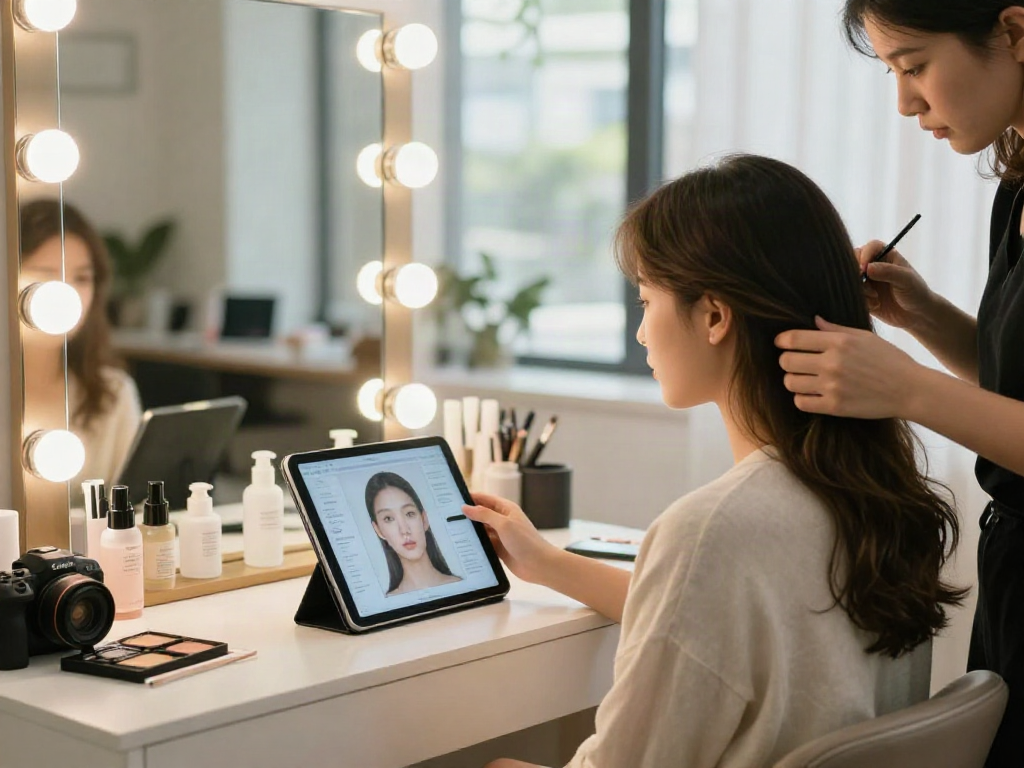
Facial age estimation refers to the process of determining the age of a person based on their facial features. This technology utilizes advanced image processing and machine learning techniques to analyze various aspects of a person’s face, including skin texture, fine lines, and other age-related markers. By evaluating these features, AI systems can predict the perceived age of an individual, providing insights that go beyond mere physical appearance.
How Does AI Determine Age?
AI determines age by utilizing large datasets of images categorized by age. Machine learning algorithms are trained on these datasets to recognize patterns and features commonly associated with specific age groups. The algorithms analyze attributes such as:
- Skin elasticity: More youthful skin tends to have a higher level of elasticity.
- Wrinkles and fine lines: The presence of these features usually indicates aging.
- Facial structure: Changes in facial contours can also signify different stages of aging.
- Coloration and pigmentation: Skin tone and any age spots can be indicators of age as well.
These variables are combined to deliver a quick estimation of how old the subject appears, with accuracy levels that continue to improve as technology advances.
Common Misconceptions About Age Estimation
Despite its growing popularity, several misconceptions surround facial age estimation technologies. One common belief is that these tools provide definitive answers regarding actual age. However, they typically offer an estimate based on perceived age, which can vary widely among individuals due to genetics and lifestyle choices.
Another misconception is about privacy concerns. Many users worry about how their images are used. Reputable tools assure users that their data is processed securely and often anonymized, addressing these concerns directly.
Getting Started with Age Estimation Tools
For those intrigued by the concept of determining perceived age, engaging with age estimation tools is straightforward and accessible. Here, we'll explore some popular options available for users.
Top Free Tools to Determine How Old Do I Look
Numerous platforms provide free services to estimate how old you look. Some noteworthy examples include:
- FaceAge.ai: This tool allows users to upload a photo and receive an AI-generated age estimation instantly.
- Fotor: An easy-to-use platform that analyzes uploaded images quickly to estimate facial age.
- BeautyPlus: This app combines age estimation with additional beautification features, offering a fun twist to the aging estimation process.
- Longevity Germany: This site provides a comprehensive face age analysis, focusing on biological age through a visual assessment.
How to Upload Your Photo Safely
When uploading images for age estimation, safety should be a prime concern. Users should adhere to the following guidelines:
- Check if the platform uses secure connections (look for HTTPS).
- Read the privacy policy to understand how your image will be used and stored.
- Consider using images that don’t identify you personally, especially if privacy is a concern.
Interpreting Age Results: What to Expect
After submitting your image, results may vary depending on the algorithms used by different tools. Generally, expect to see an approximate age range rather than a specific age. Keep in mind that factors such as lighting, angle, and image quality can influence results. Understanding these parameters will provide a more accurate interpretation of the findings.
Maximizing Engagement with Age Estimation
Beyond personal use, age estimation tools present innovative opportunities for engagement across social media platforms. Here’s how to leverage these tools creatively.
Creative Ways to Use Age Estimation in Social Media
Social media users can utilize age estimation tools in various engaging ways, such as:
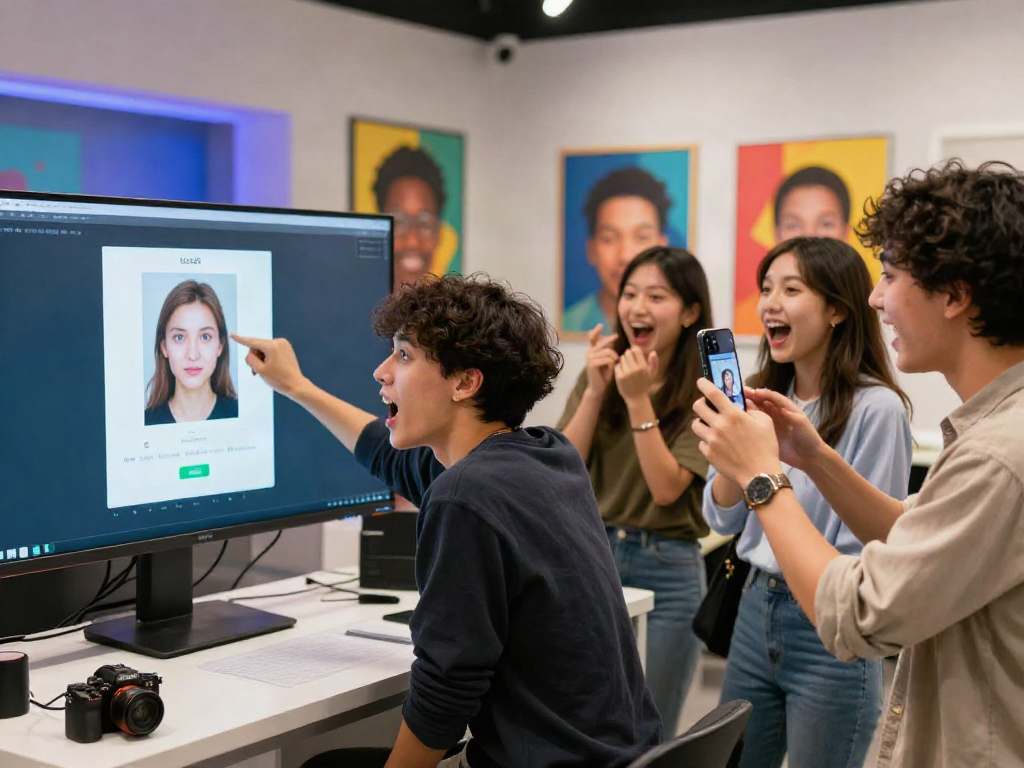
- Challenges: Starting age-related challenges where users guess their perceived age against friends.
- Comparative Posts: Sharing results with before-and-after pictures can spark conversations and increase engagement.
- Incorporate Trends: Tie in with trending hashtags related to beauty and aging for broader visibility.
Building Community Around Age Estimation
Communities centered on beauty and self-image often thrive on sharing experiences. Age estimation can serve as a focal point for discussions about aging gracefully, embracing change, and sharing skincare tips. Creating forums or groups dedicated to these topics can foster a supportive environment.
Engagement Strategies for Digital Creators
For digital creators, incorporating age estimation tools into content can provide unique angles. Strategies may include:
- Creating tutorial videos that guide viewers through using age estimation tools while discussing general skincare practices.
- Hosting live sessions where viewers can upload their photos and receive real-time analysis.
- Sharing personal experiences with age perception to connect authentically with the audience.
Challenges and Limitations of Age Estimation
Despite the fun and engagement these tools offer, there are significant challenges and limitations associated with age estimation technologies that users and developers should be aware of.
Accuracy: How Reliable Are the Results?
The accuracy of age estimation tools can vary significantly. While many provide a good estimation, users must remember that individual differences—such as health, lifestyle, and genetic factors—can skew results. It’s essential to regard these tools as a novelty rather than a definitive measure of age.
Privacy and Ethical Considerations
In an age where data privacy is paramount, ethical implications arise regarding user images. The potential for misuse of personal images can deter users, making it crucial for platforms to maintain transparency about how images are handled and stored.
Future Trends in Age Estimation Technologies
The landscape of age estimation is rapidly evolving, driven by advancements in AI and machine learning. Key trends to watch include:
- Increased Accuracy: As algorithms improve, expect higher reliability in age estimations.
- Integration with AR: Augmented reality applications may offer real-time age estimation features.
- Focus on Ethics: Enhanced regulations regarding data privacy will become a priority, likely increasing user trust in these technologies.
Case Studies of Successful Age Estimation Campaigns
Examining real-world examples provides insight into how brands and influencers effectively utilize age estimation tools to engage audiences and promote products.
How Brands Use Age Estimation Tools for Marketing
Brands have started integrating age estimation into their marketing campaigns to attract viewers. By showcasing how products can influence perceived age, companies like skincare brands tap into consumer desires for youthful appearances.
Influencer Engagement Through Age Estimation Challenges
Influencers leveraging age estimation tools often spark viral challenges, encouraging followers to participate and share their results. This practice not only increases visibility but also fosters a sense of community among participants as they share their perceptions.
Learning from User Experiences and Feedback
Understanding user experiences with age estimation technologies can guide improvements. Collecting and analyzing feedback allows developers to refine tools, ensuring they meet user expectations and address privacy concerns effectively.
How does "how old do I look" work?
The phrase "how old do I look" encapsulates the essence of age estimation technology. Users upload their photos, and through a series of algorithms, the system analyzes facial features to provide an estimated age. The seamless nature of this process brings in curiosity and fun, pushing users to explore their perceived age through modern technology.
Is my age accurately represented in age estimation tools?
While these tools are designed to analyze features indicative of aging, they often provide an estimate rather than an exact measure of age, highlighting the subjective nature of age perception influenced by various factors such as genetics and lifestyle.
Are there privacy concerns with age estimation apps?
Privacy remains a significant concern for users of age estimation applications. Reputable apps typically ensure that user data is handled responsibly, but it is essential for users to exercise caution and familiarize themselves with the privacy policies of the platforms they choose to engage with.
Can age estimation be wrong? What factors influence this?
Age estimation tools can indeed provide inaccurate results due to several factors, including image quality, lighting conditions, and variations in human features. Therefore, it’s crucial to approach results with a degree of skepticism and awareness.
What are the latest advancements in age estimation technology?
Recent advancements in machine learning and AI have led to the development of more sophisticated algorithms capable of yielding more accurate age estimates. As technology continues to progress, we can expect further refinement in these tools, leading to an exciting future for age estimation.