Understanding the Test of Attractiveness
In a world where visual impressions can significantly influence social interactions and opportunities, the test of attractiveness has emerged as a popular method for individuals to assess their physical appeal. The increasing prevalence of AI technology in personal assessments allows users to gain insights into their attractiveness based on various facial features and societal standards.
What is the Test of Attractiveness?
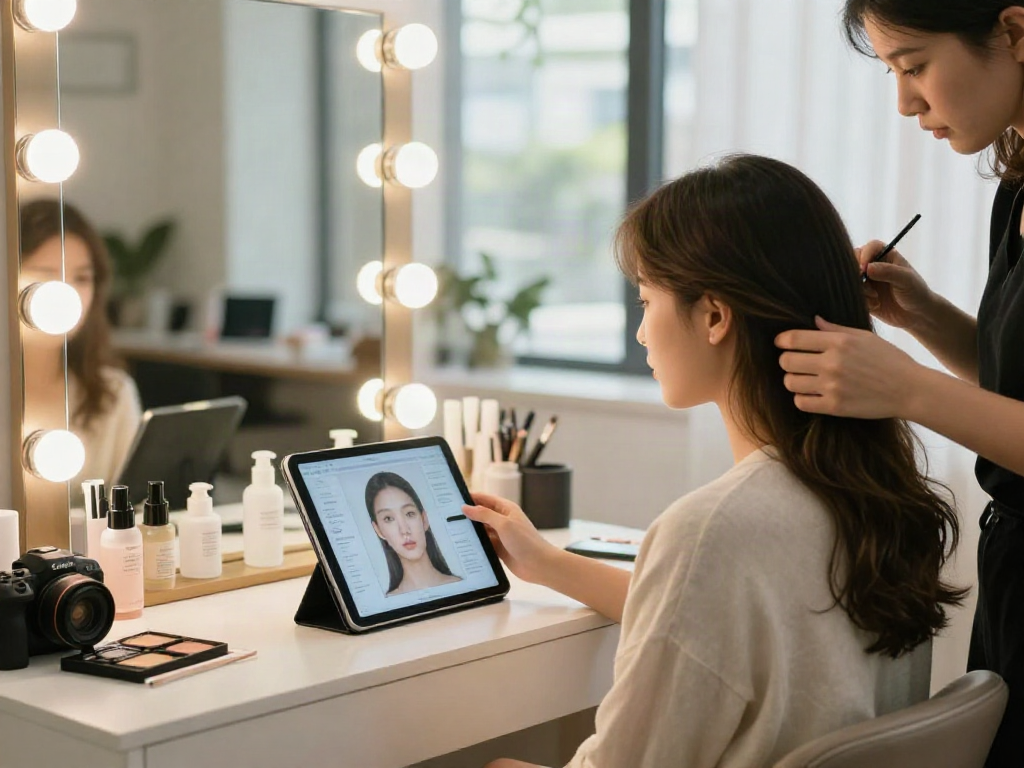
The test of attractiveness is a digital tool that evaluates a person's aesthetic appeal through the analysis of facial features using artificial intelligence. By uploading a photo, users can receive an attractiveness score, which often includes feedback on aspects like facial symmetry, proportions, and even adherence to the golden ratio—a mathematical ratio traditionally associated with beauty. These tests are designed to provide an objective metric to something that is typically subjective.
Key Factors Influencing Attractiveness Scores
Several key factors influence the scores received from attractiveness tests. These include:
- Facial Symmetry: Studies suggest that people find symmetrical faces more attractive. AI models typically analyze the balance between the left and right halves of the face.
- Golden Ratio: Many cultures have historically viewed faces that adhere to the golden ratio as beautiful. AI systems often measure how closely facial features align with this mathematical principle.
- Facial Features: Specific features, such as jawline definition, eye spacing, and lip fullness, contribute significantly to attractiveness ratings.
- Skin Quality: Clear, vibrant skin is often perceived as a sign of good health, which can enhance one's attractiveness score.
Analyzing Historical Trends in Attractiveness Testing
Attractiveness testing has evolved significantly over the years. In the past, people relied on subjective opinions from peers or cultural norms to gauge beauty. However, the advent of technology has allowed for more precise measurements and assessments. Early tools often focused on rudimentary aspects like symmetry and shape, while modern AI systems utilize complex algorithms to analyze hundreds of facial points, providing nuanced and detailed evaluations. Furthermore, as societal standards evolve, so too do the metrics by which attractiveness is evaluated.
Preparing for Your Attractiveness Test
Choosing the Right Photo for Assessment
The quality of your photograph can have a significant impact on the results of your attractiveness test. To ensure the best outcome, select a clear, high-resolution image that accurately represents you. Avoid using heavily filtered or edited photos, as these can skew results. A straightforward headshot with good lighting works best.
Best Practices for Natural Expressions
When taking your photo, aim for a natural expression. A genuine smile or a neutral expression often fares better than exaggerated poses. This authenticity allows the AI to assess your features and expressions more accurately, leading to a more reliable score.
Supporting Factors: Lighting and Background
Lighting plays a crucial role in the quality of your photo. Natural light is ideal, as it highlights your features without harsh shadows. Choose a simple background to minimize distractions, ensuring the focus remains on your face. Remember, the goal is to present yourself as authentically as possible.
Interpreting Your Attractiveness Score
Understanding Your Results: What do the Numbers Mean?
Once you receive your score, it's essential to interpret it correctly. Most tests provide a numerical value that indicates your attractiveness level, often on a scale from 1 to 10 or a percentage. A higher score typically suggests that you closely align with commonly accepted standards of beauty based on the AI's analysis.
Comparative Analysis with Industry Standards
Comparing your score against industry standards can provide valuable context. For instance, if your score is significantly lower than average, it may highlight aspects of your appearance that could be improved. Conversely, a higher score can boost confidence and affirm your features align well with prevailing beauty norms.
Common Misconceptions About Attractiveness Ratings
A common misconception surrounding attractiveness tests is that they provide a definitive measure of a person's worth or value. It's crucial to remember that beauty is subjective and influenced by culture, personal preferences, and societal changes. These tests are tools for self-reflection rather than absolute judgments.
Enhancing Your Attractiveness
Practical Tips for Boosting Your Attractiveness Score
If you aim to improve your attractiveness score, consider implementing some practical strategies:
- Grooming: Regular grooming habits, such as haircuts and skincare routines, can enhance your overall appearance.
- Diet and Nutrition: A balanced diet rich in vitamins and minerals can improve skin health and overall vitality.
- Posture: Standing tall and maintaining good posture can significantly impact how you are perceived.
Skincare and Grooming Best Practices
Taking care of your skin is paramount for enhancing attractiveness. Establish a skincare routine that includes cleansing, moisturizing, and sun protection. Additionally, consider incorporating treatments that promote skin health, such as exfoliation and hydration. For grooming, keep hair tidy and well-styled to complement your facial features.
Physical Fitness and its Impact on Attractiveness
Engaging in regular physical activity not only enhances your physical appearance but also boosts confidence. Exercise can improve skin tone, promote a healthy body image, and contribute to a more engaging presence. Aim for a balanced routine that includes cardiovascular, strength, and flexibility training.
Future Trends in Attractiveness Testing
Technological Innovations in Attractiveness Assessment
The future of attractiveness testing will likely see advancements such as augmented reality (AR) and virtual reality (VR) experiences, providing users with immersive feedback on their appearance. New algorithms will continue to refine attractiveness assessments based on evolving social norms and preferences.
Shifting Perceptions of Beauty in 2026 and Beyond
As society's perceptions of beauty continue to shift, the metrics used in attractiveness tests will evolve as well. Greater emphasis may be placed on diversity, individuality, and unique features, reflecting a broader acceptance of different beauty standards beyond traditional norms.
Potential Impact on Personal Branding and Marketing
The rise of attractiveness testing has implications for personal branding and marketing strategies. Individuals may leverage their attractiveness scores as part of their branding efforts in various industries, particularly in fields such as entertainment and fashion. Businesses may also adapt marketing strategies to appeal to diverse consumer bases, recognizing the importance of authenticity and relatability.
What is the best way to prepare for the test?
Preparation for an attractiveness test involves careful photo selection, ensuring natural expressions, and optimal lighting. The clearer and more authentic your image represents you, the more accurate your results will be.
How accurate are AI attractiveness tests?
AI attractiveness tests leverage complex algorithms to analyze numerous facial features, making them relatively accurate. However, results should be viewed as a reflection of specific beauty standards rather than definitive statements about one’s overall attractiveness.
Can I improve my score over time?
Yes, with consistent attention to grooming, skincare, fitness, and posture, you can enhance your attractiveness score over time. Embracing a holistic approach to self-care will reflect positively in your attractiveness test scores.
What factors contribute to attractiveness beyond looks?
Attractiveness is not solely defined by physical appearance; personality traits, confidence, and social skills significantly contribute to how one is perceived. Charisma, humor, and kindness can enhance overall appeal and are often equally, if not more, important than physical traits.
Are there ethical concerns with attractiveness testing?
Yes, ethical concerns arise surrounding the implications of attractiveness testing, particularly regarding self-esteem and body image. It is imperative to approach these tests with a critical mindset and recognize that beauty is multifaceted and subjective.